Reclaiming Venus
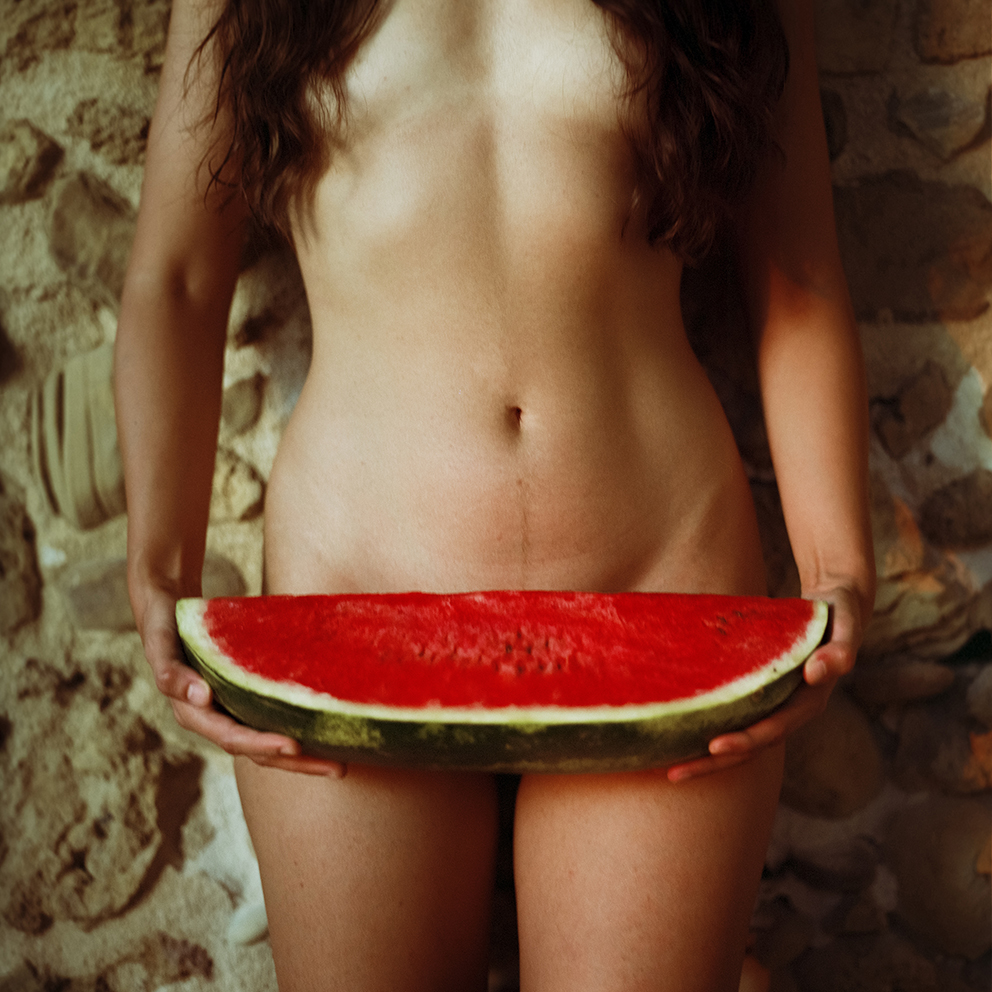
Reclaiming Venus is a medium-format photography series created in collaboration between artist Dalia Jacobs and photographer Ludovica Anzaldi. Conceived and directed by Jacobs—who also inhabits the images as subject—the work reclaims the archetype of Venus through a Palestinian lens.
“I stand in front of the lens as subject and author. My body becomes a political territory, reclaiming Venus through a Palestinian frame. The kuffiya and watermelon are not symbols of ornament but of resistance, survival, and defiance. These images strip away myth to confront erasure, insisting on presence and continuity.”
Shot on the Mediterranean Sea, the series situates the Palestinian body within the cultural canon of the Mediterranean, transforming Venus from a figure of Western mythology into one of defiance, persistence, and survival. The collaboration between Jacobs and Anzaldi highlights the tension between authorship and gaze, producing images that reject erasure and assert continuity.
All proceeds from Reclaiming Venus are directed to Palestine.

 With thanks to Double Why, Nina Fortuna, Ludovica Statuti, and Little Lion.
Immersive installation, 2025
Exhibited at Arte al Centro, Cittadellarte (Italy); UFFS Film Festival, Samothraki (Greece); HELMCA Festival, Ioannina (Greece).
Also presented in group exhibitions.
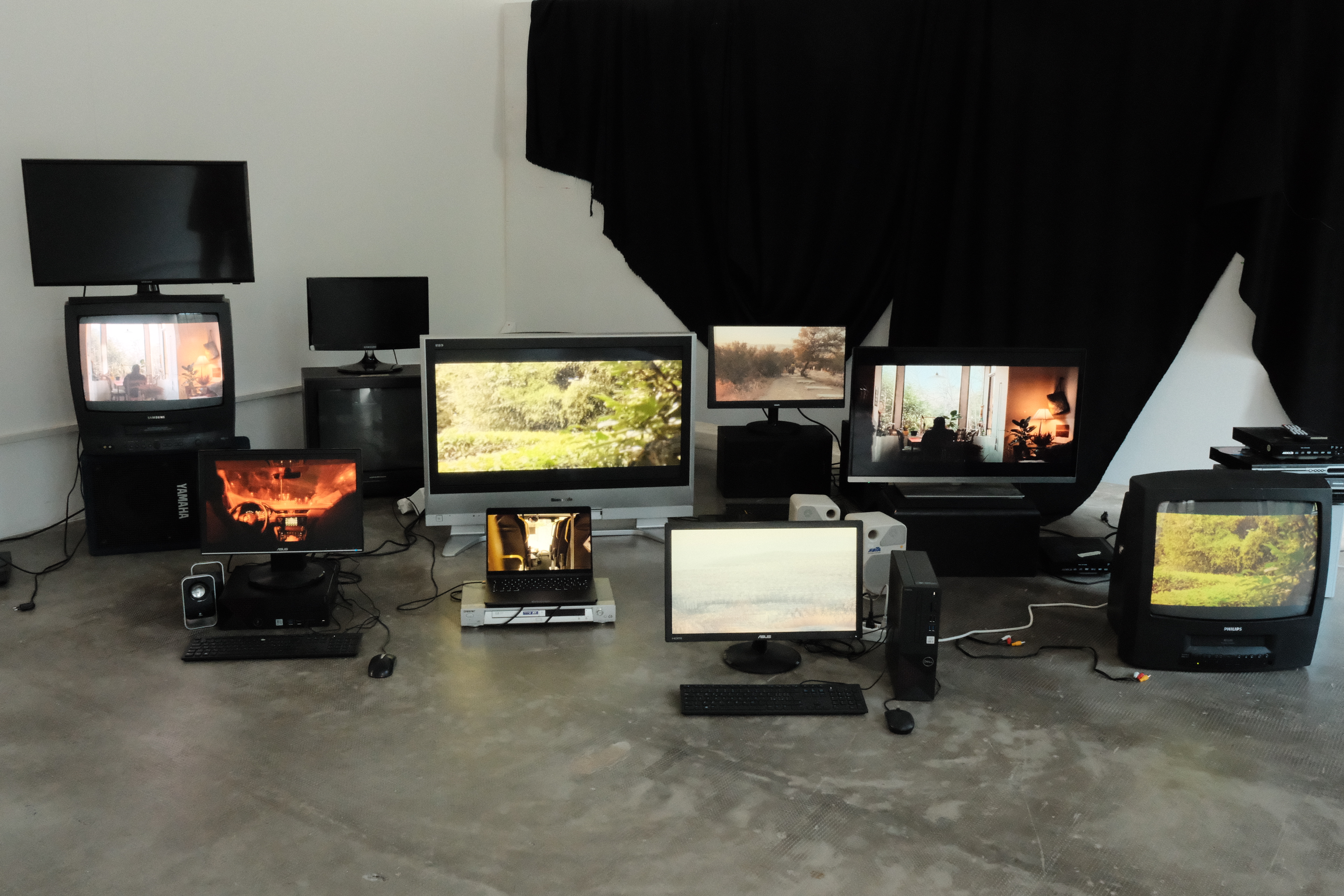
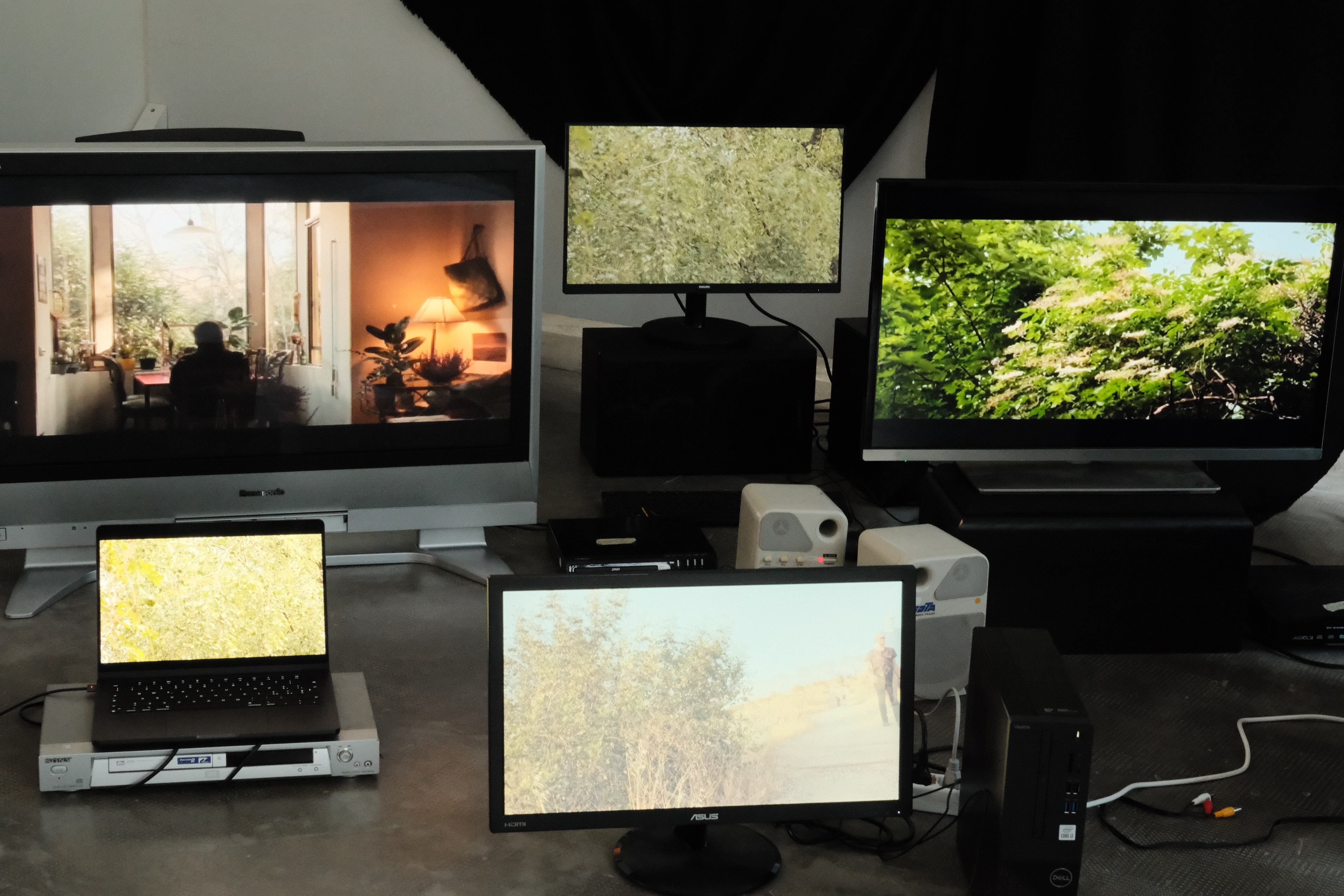
The Thread Between Us is an immersive installation I developed from lullabies and laments gathered across different geographies. The voices come from Palestine, Italy, Ireland, Afghanistan, Greece, Congo, Ghana, and Russia. I work with these songs as forms of oral history, carried through care, loss, and displacement.
Each recording was made as the song would be sung in private—to a child or to the dead. None of the voices are performed for the work. They are recorded as offered, without direction or reinterpretation.
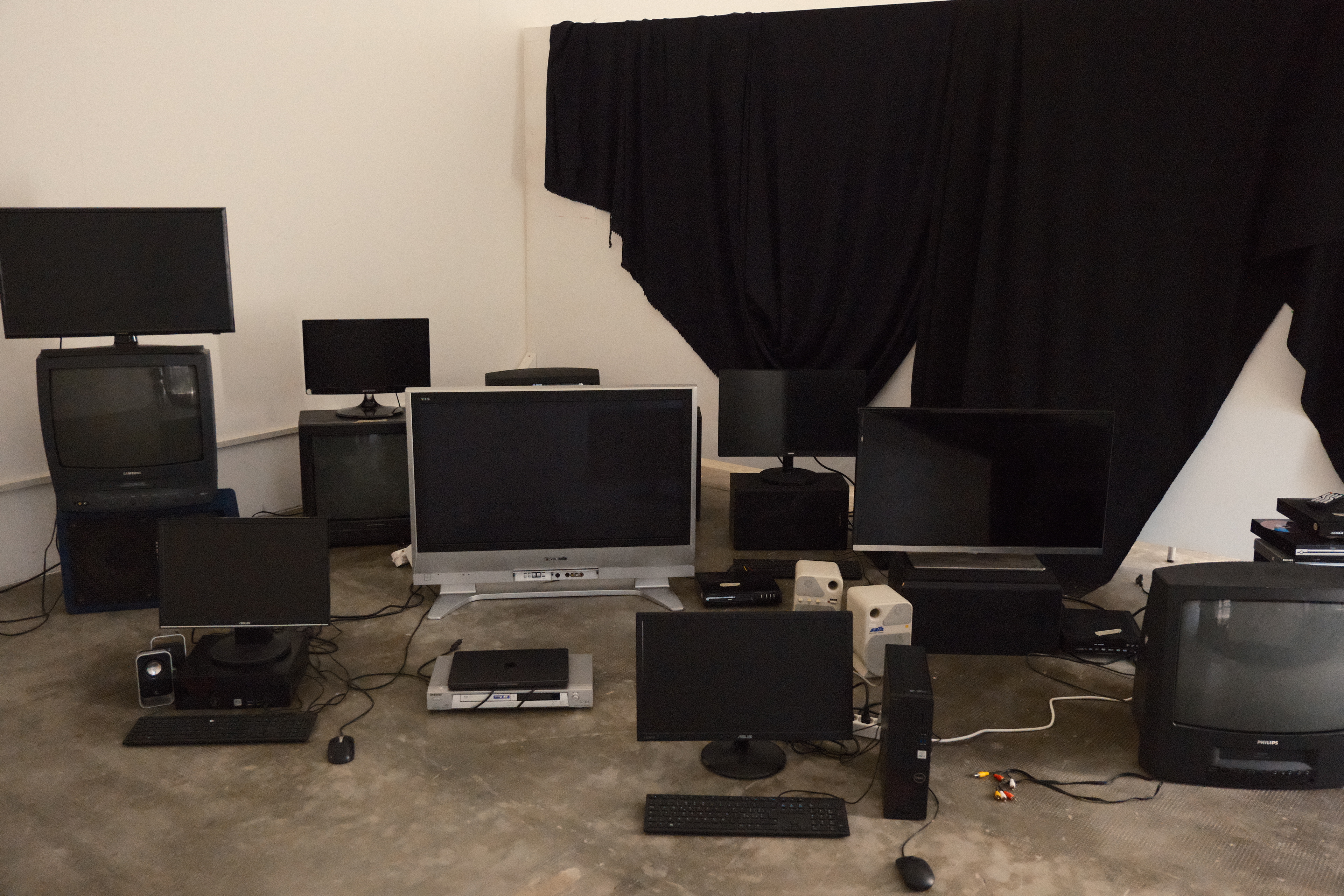
The installation is site-specific and has changed with each presentation. I adapt the sound, video, and spatial arrangement in response to the conditions of the site and the act of listening within it. Over five exhibitions, the work has reached a form that feels settled, while remaining open to future changes.
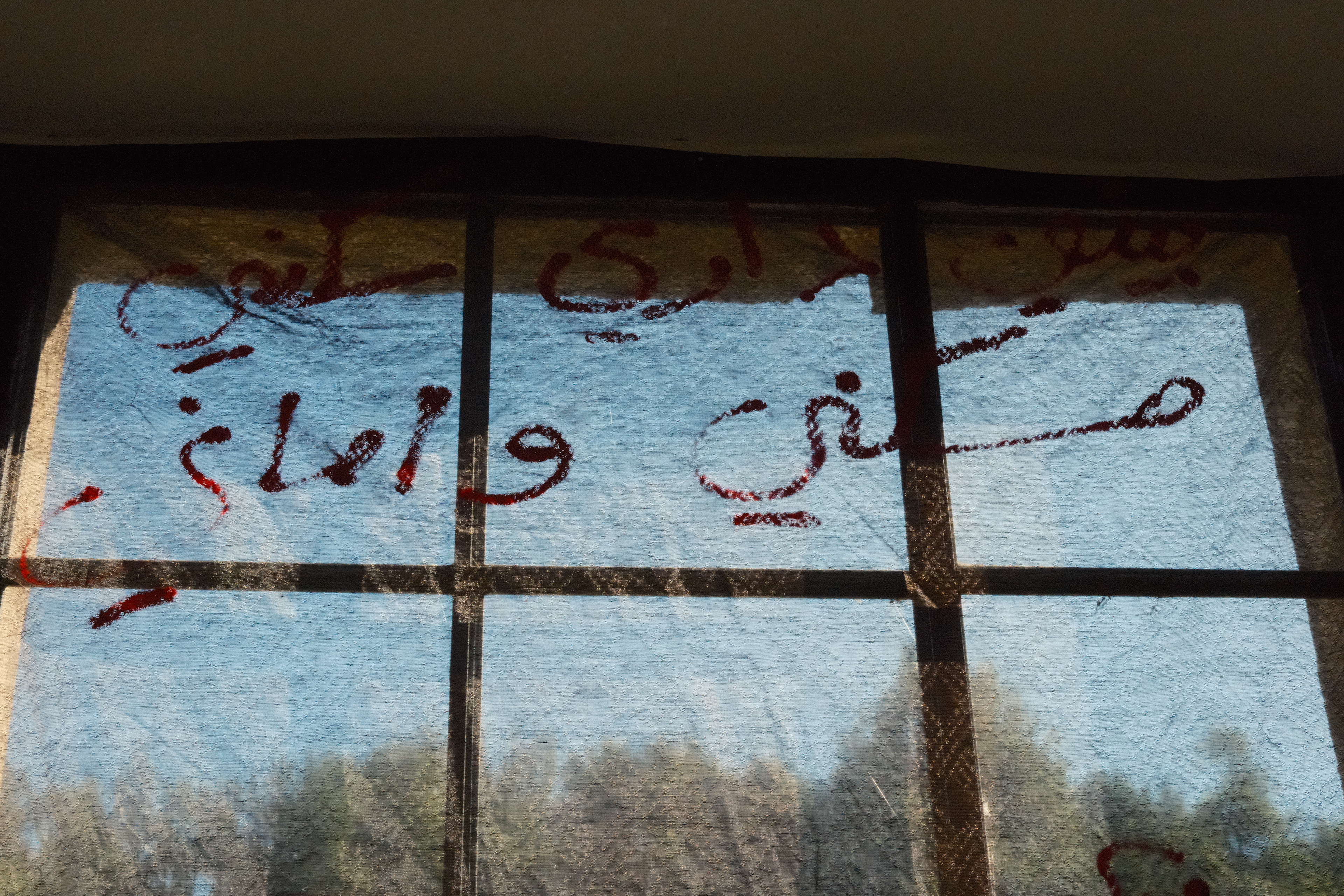
I use simple and exposed materials—speakers, screens, fabric, and structural elements—without attempting to hide their function. In earlier iterations, Arabic words related to home, shelter, safety, occupation, and statehood appeared within the space. These fragments reflect how language circulates around belonging and control, and how meaning shifts when lived experience is removed from institutional speech.
Lullabies and laments coexist in the installation. Lullabies accompany care and continuity; laments accompany loss, disappearance, and death. I am interested in how both forms carry memory across generations, and how sound holds what cannot be archived in other ways.
The sound work was edited with a subtle ambient layer by Andi Dhima. The project began through conversations around his recordings and my own reflections on Palestinian lullabies, which have often carried meaning quietly within families. In contexts of occupation, these songs have functioned as forms of care, preservation, and transmission.
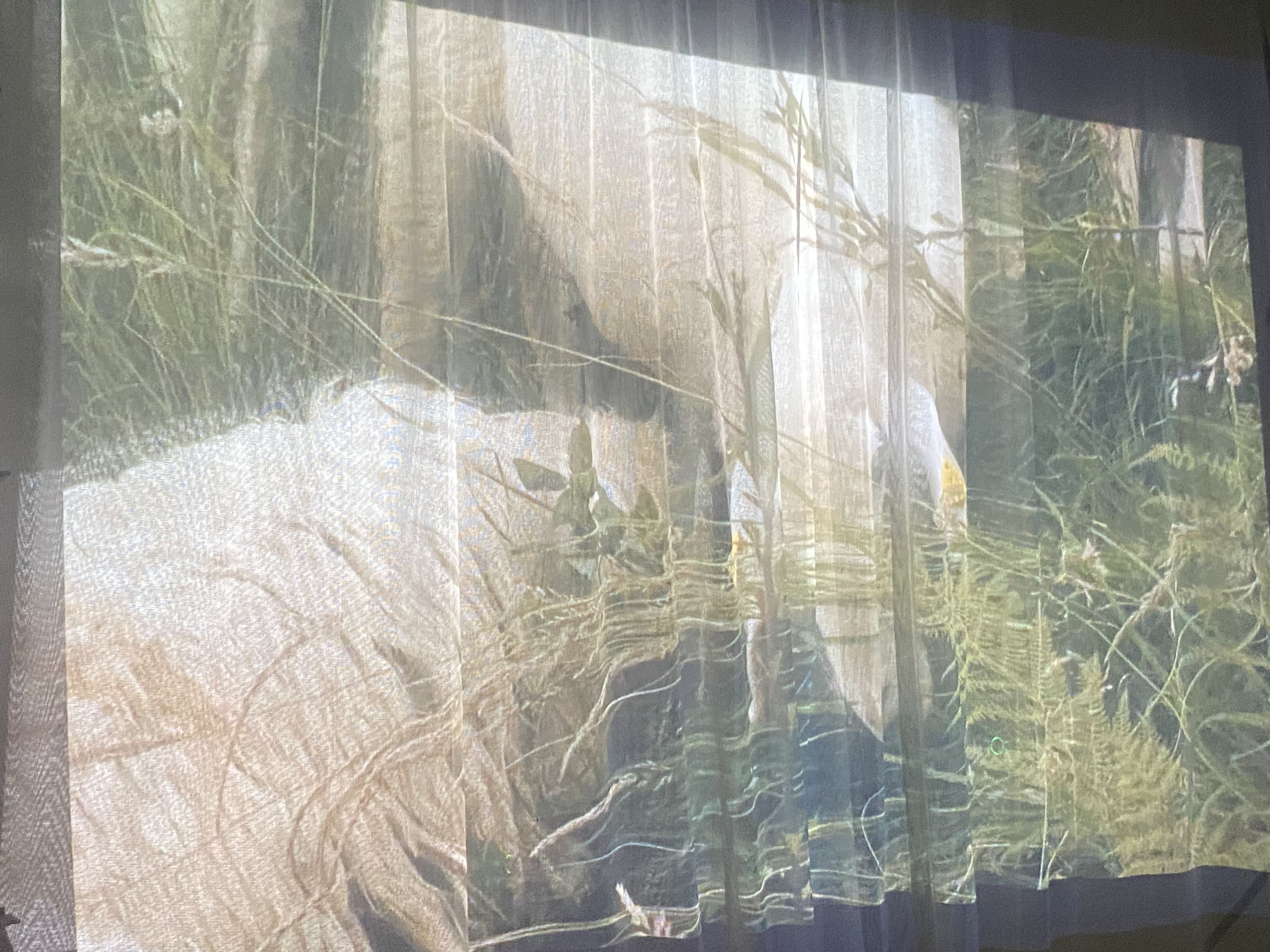
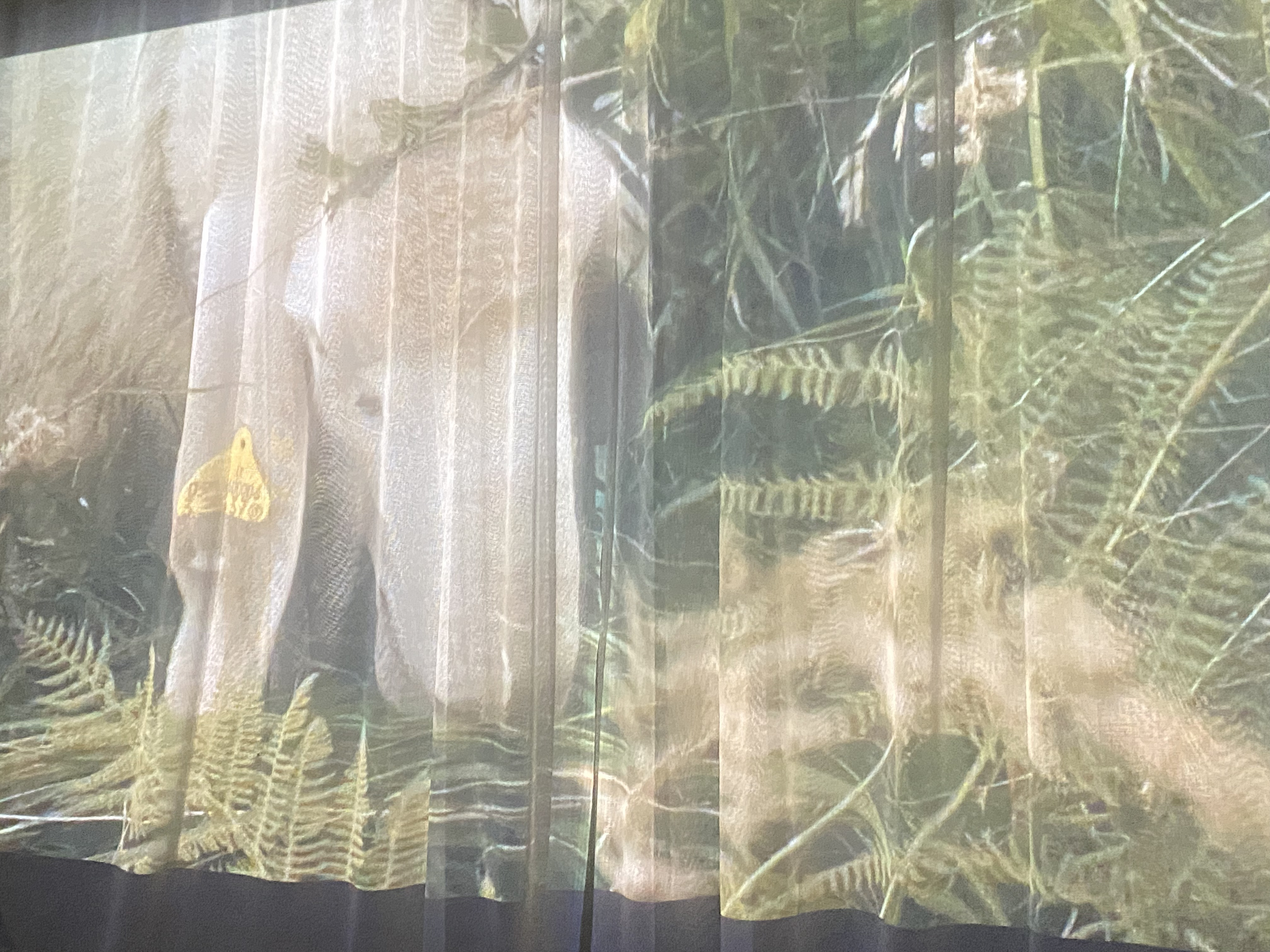
In later iterations, I replaced the video component with recordings of sheep filmed in the mountains. This decision came from personal reflection and lived ritual rather than symbolism. In Abrahamic traditions, sheep are present at moments of birth and death. They mark arrival and departure through acts of offering. The footage is observational and unembellished, and it exists alongside the sound rather than illustrating it.
The Thread Between Us is a work about listening—about what remains when voices move across distance, time, and displacement. The installation does not seek closure. It holds presence.
Arte al Centro, Cittadellarte (Italy)


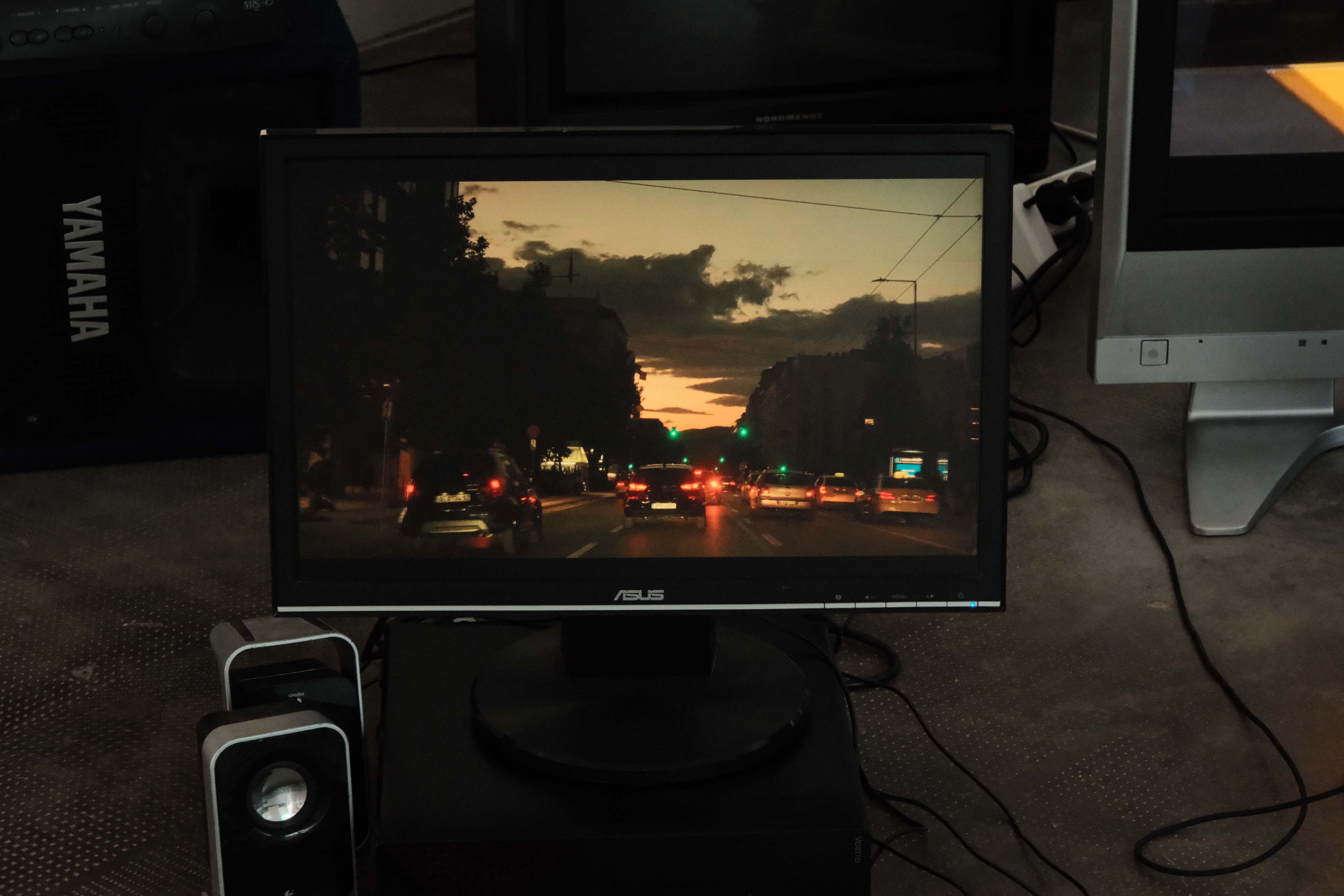
UFFS Film Festival, Samothraki (Greece)
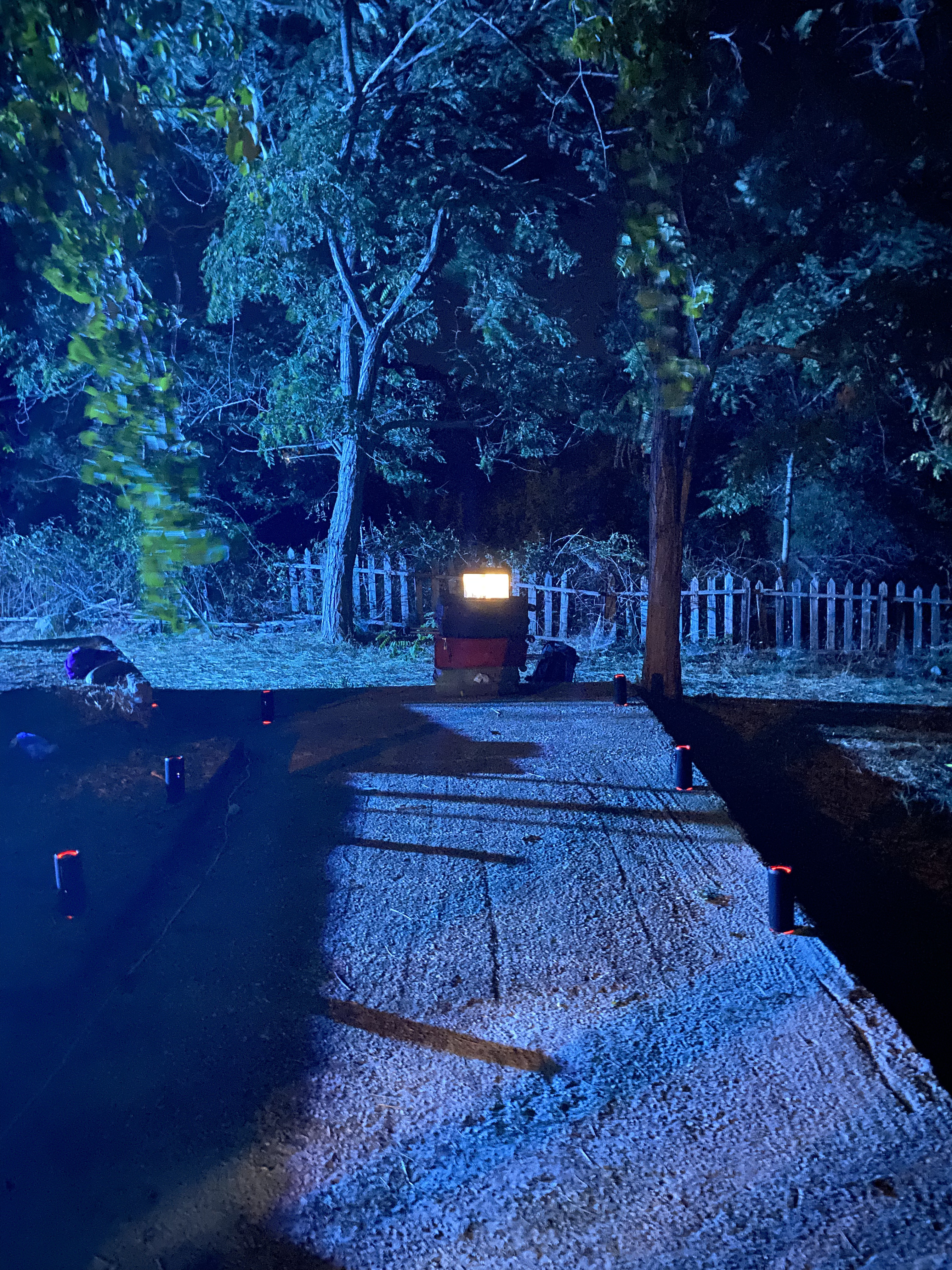
HELMCA Festival, Ioannina (Greece)


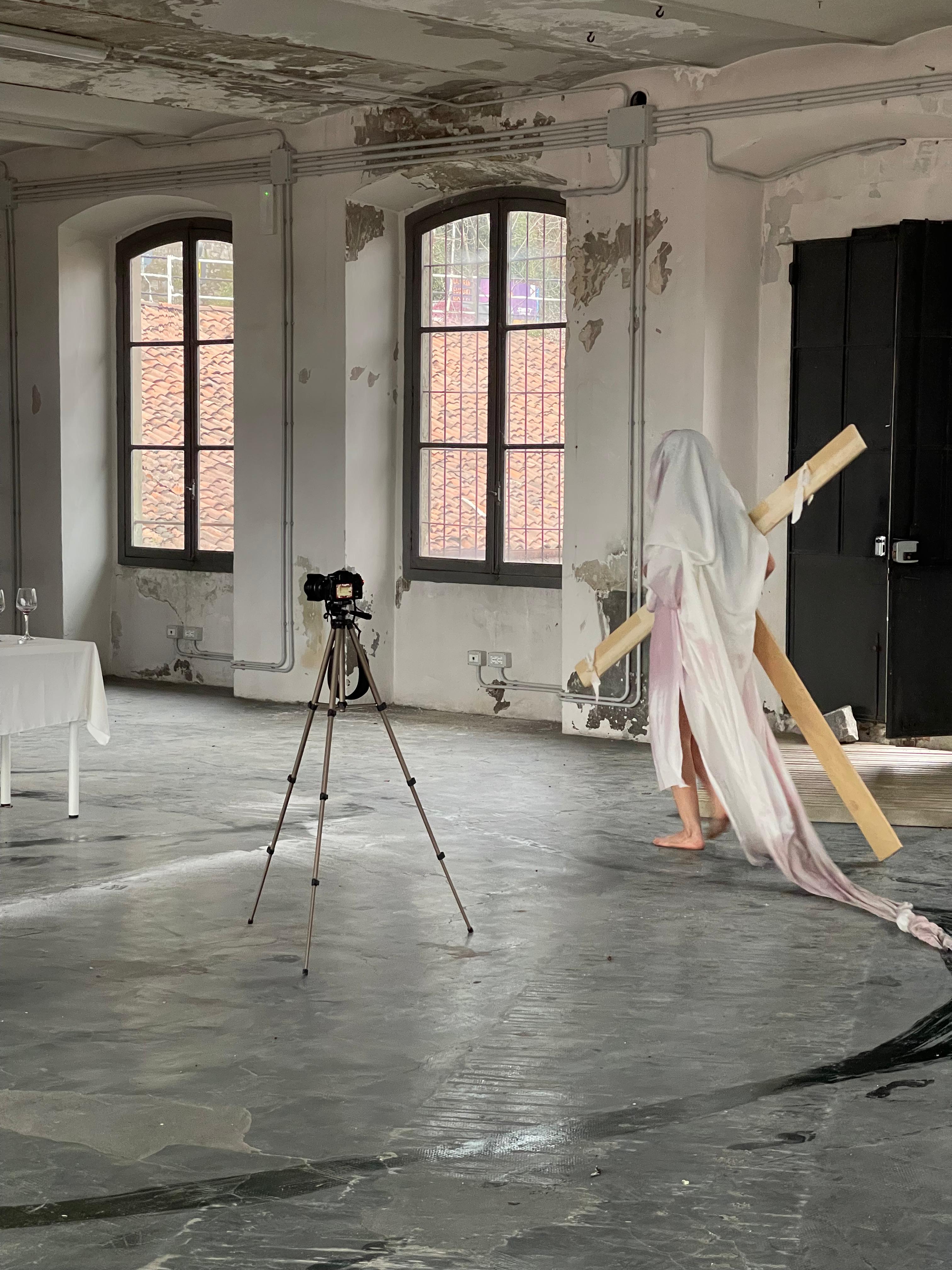
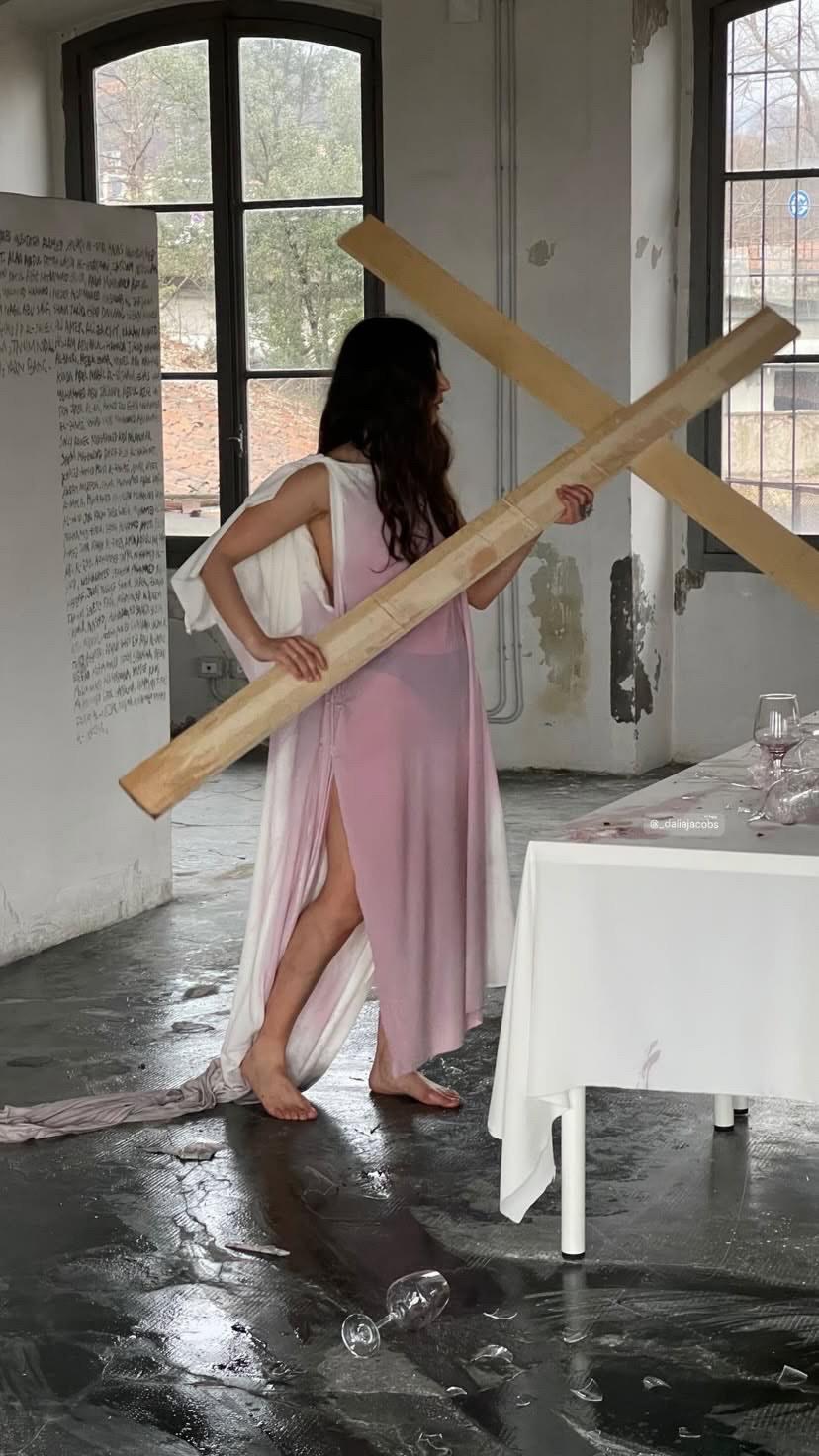
God’s Last Witness
13 Cycles
Chuch bells toll, prayers echo , flames rise.
God is present, absent, and ever-changing.
Staining flesh
like ritual,
bloody,
prophecy.


Beneath My Surface
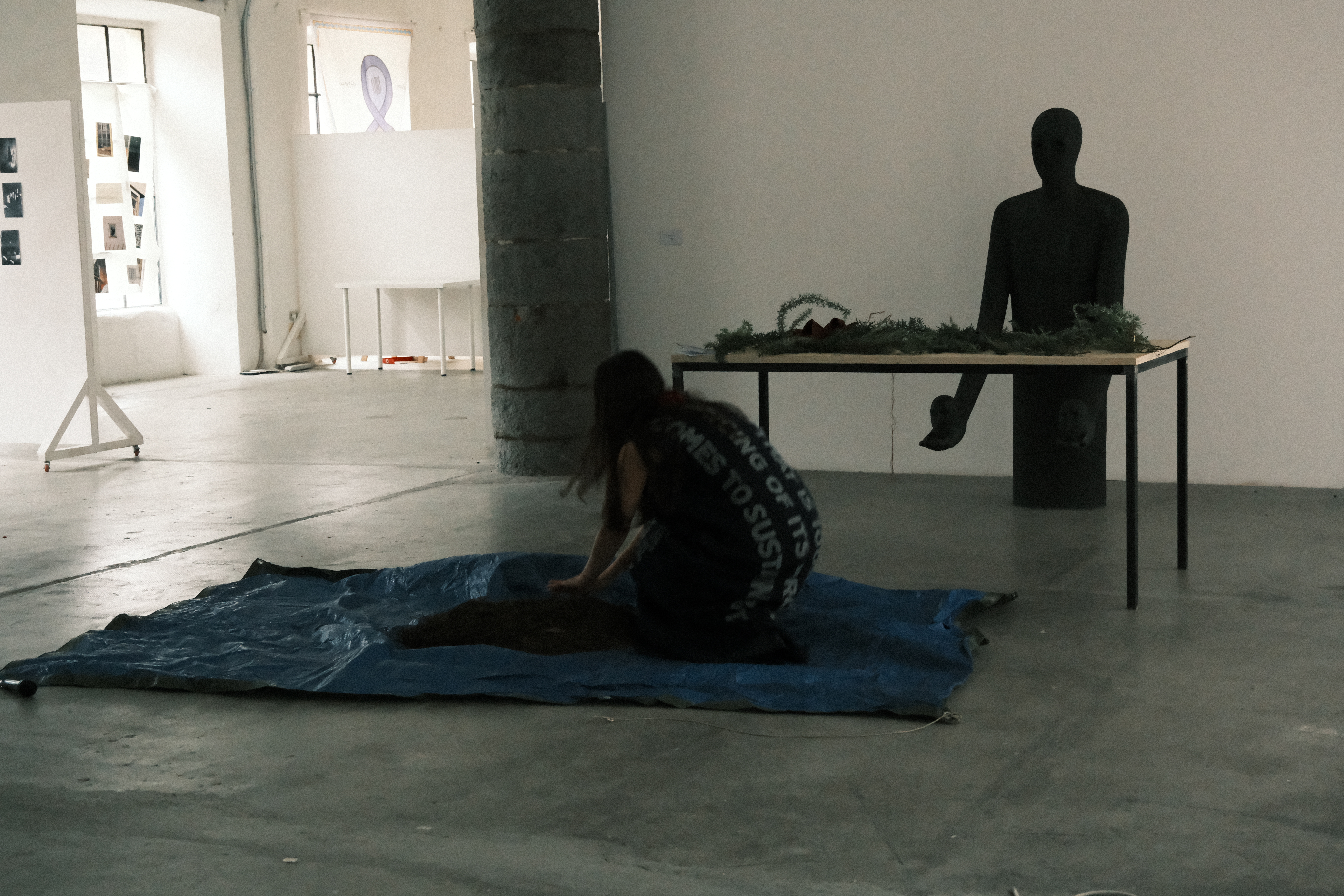
Performance by Dalia Jacobs
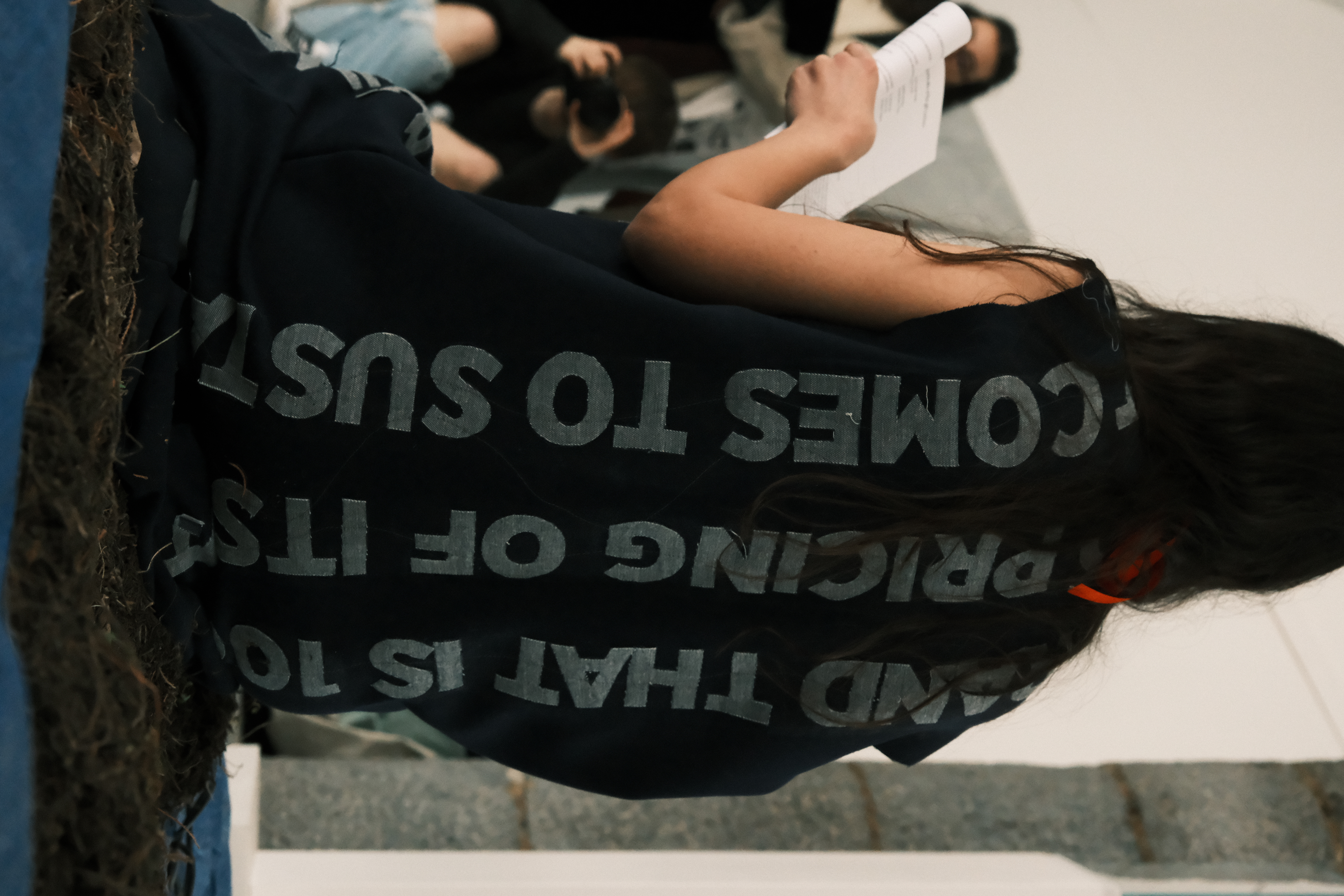
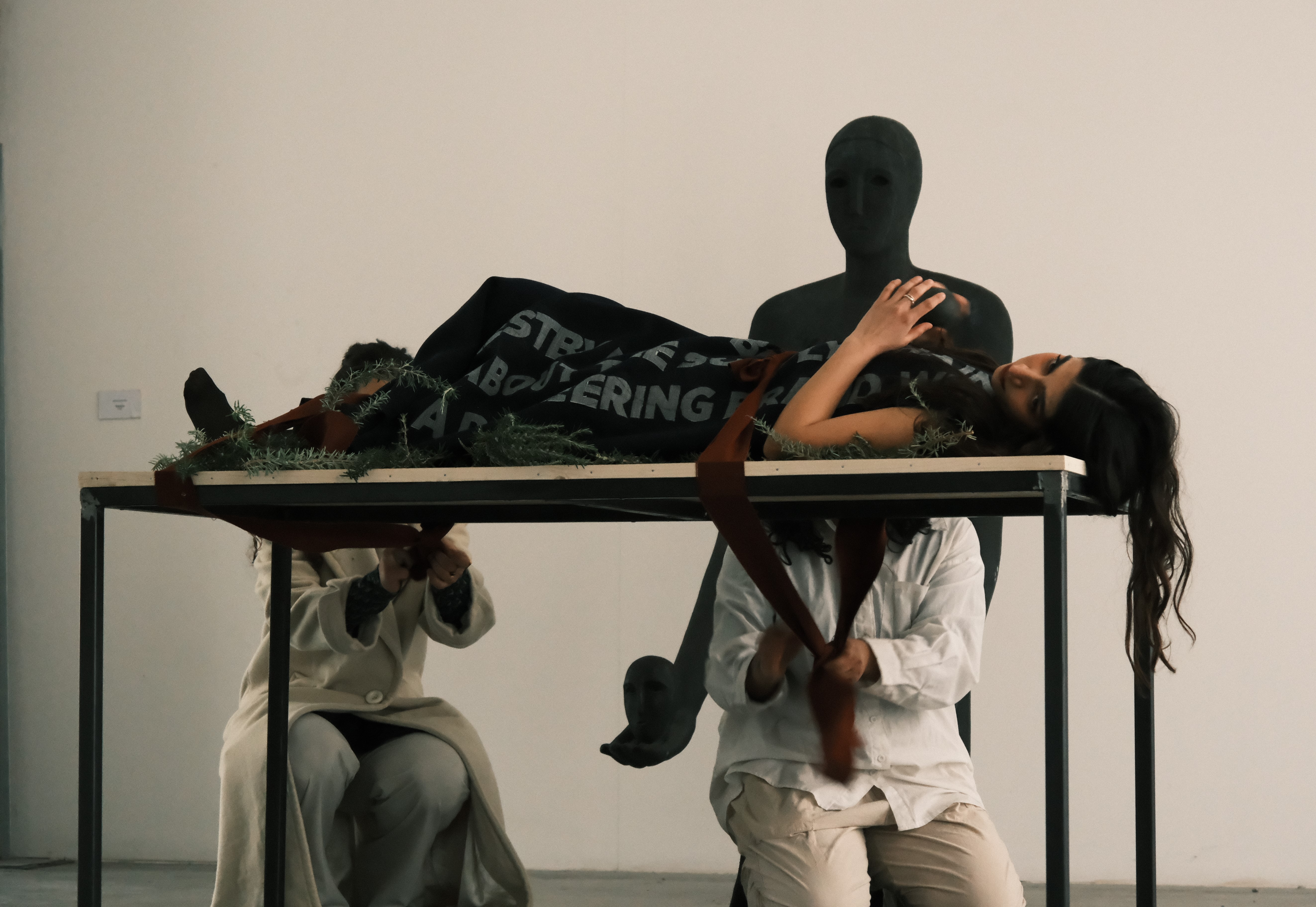
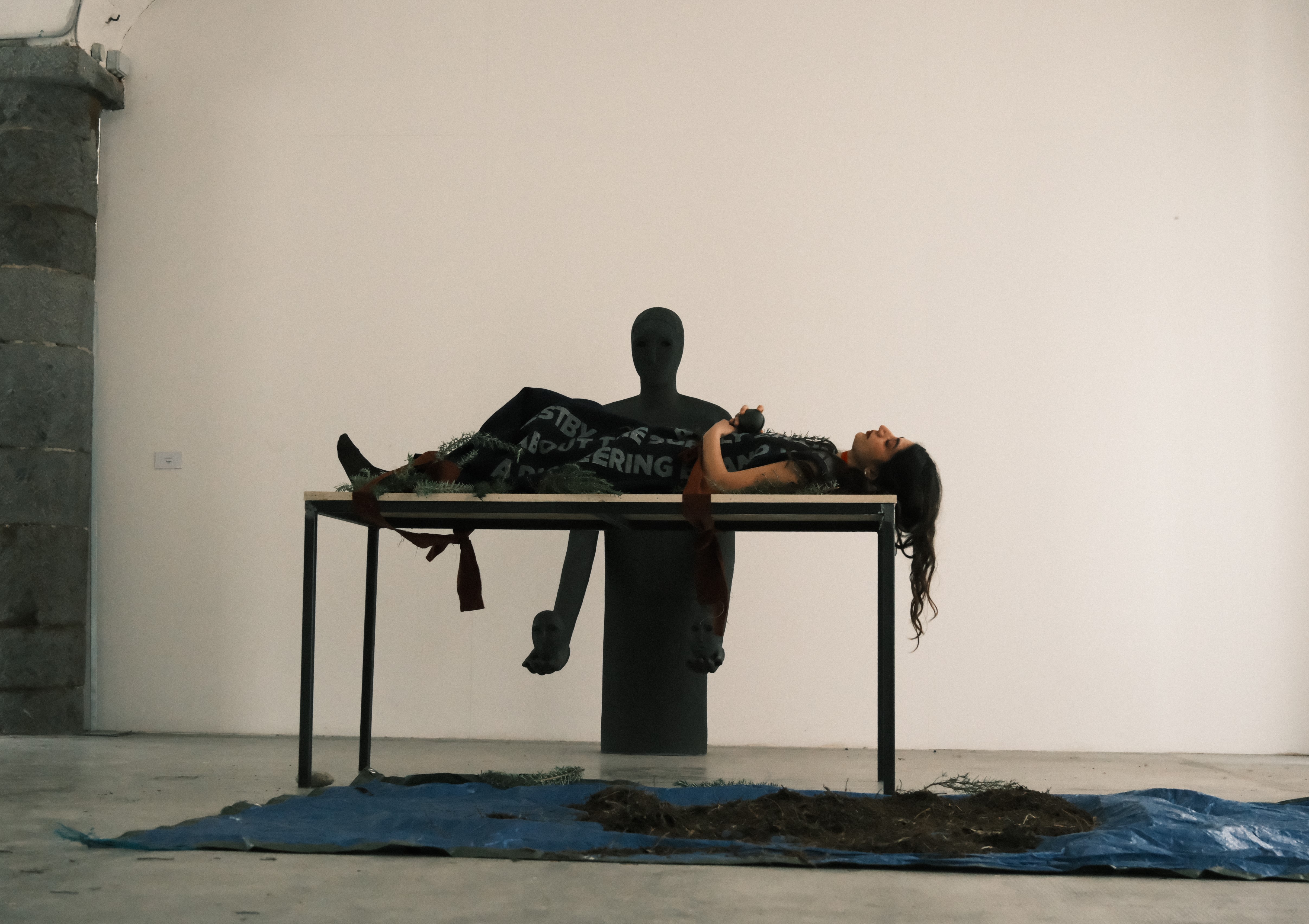
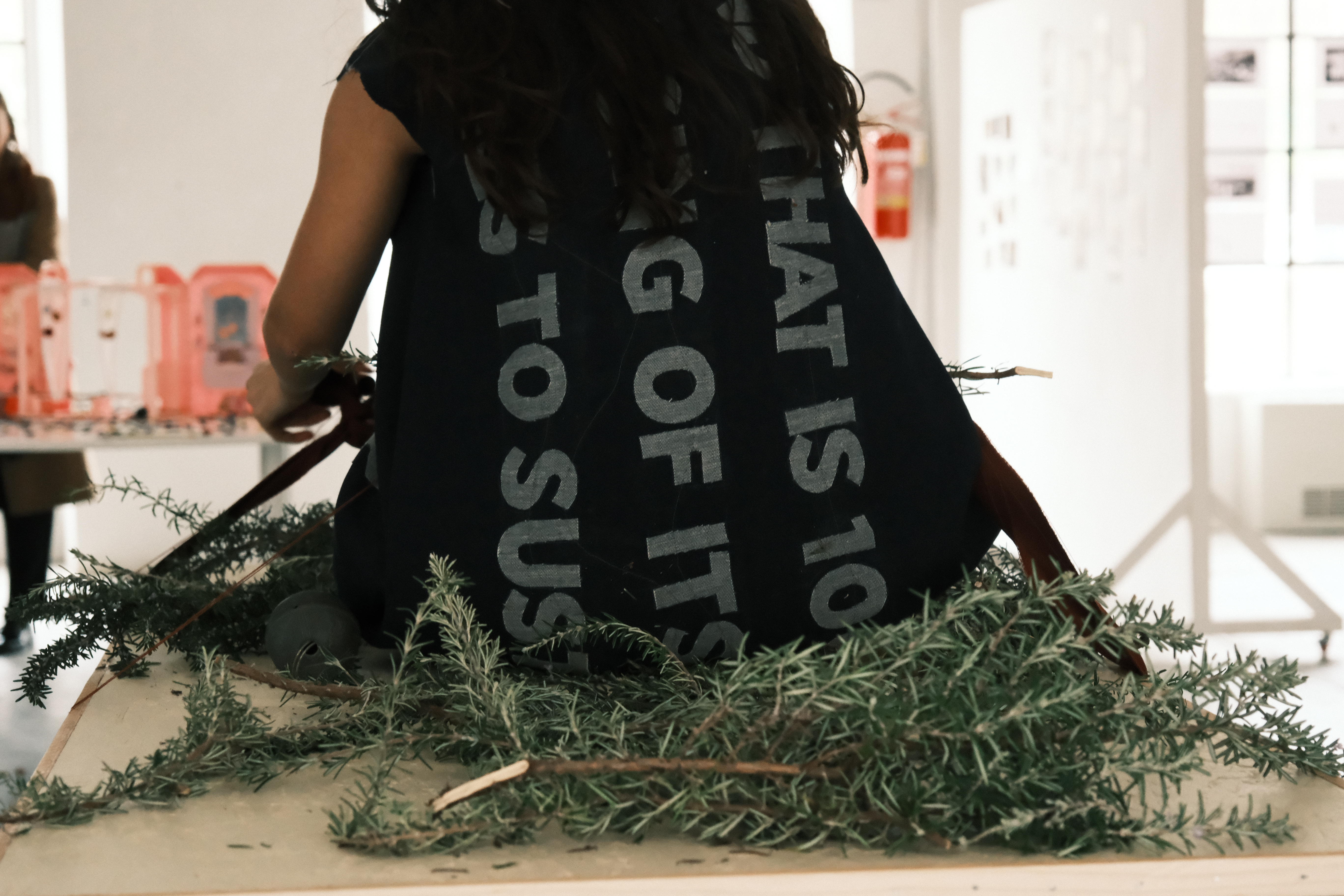
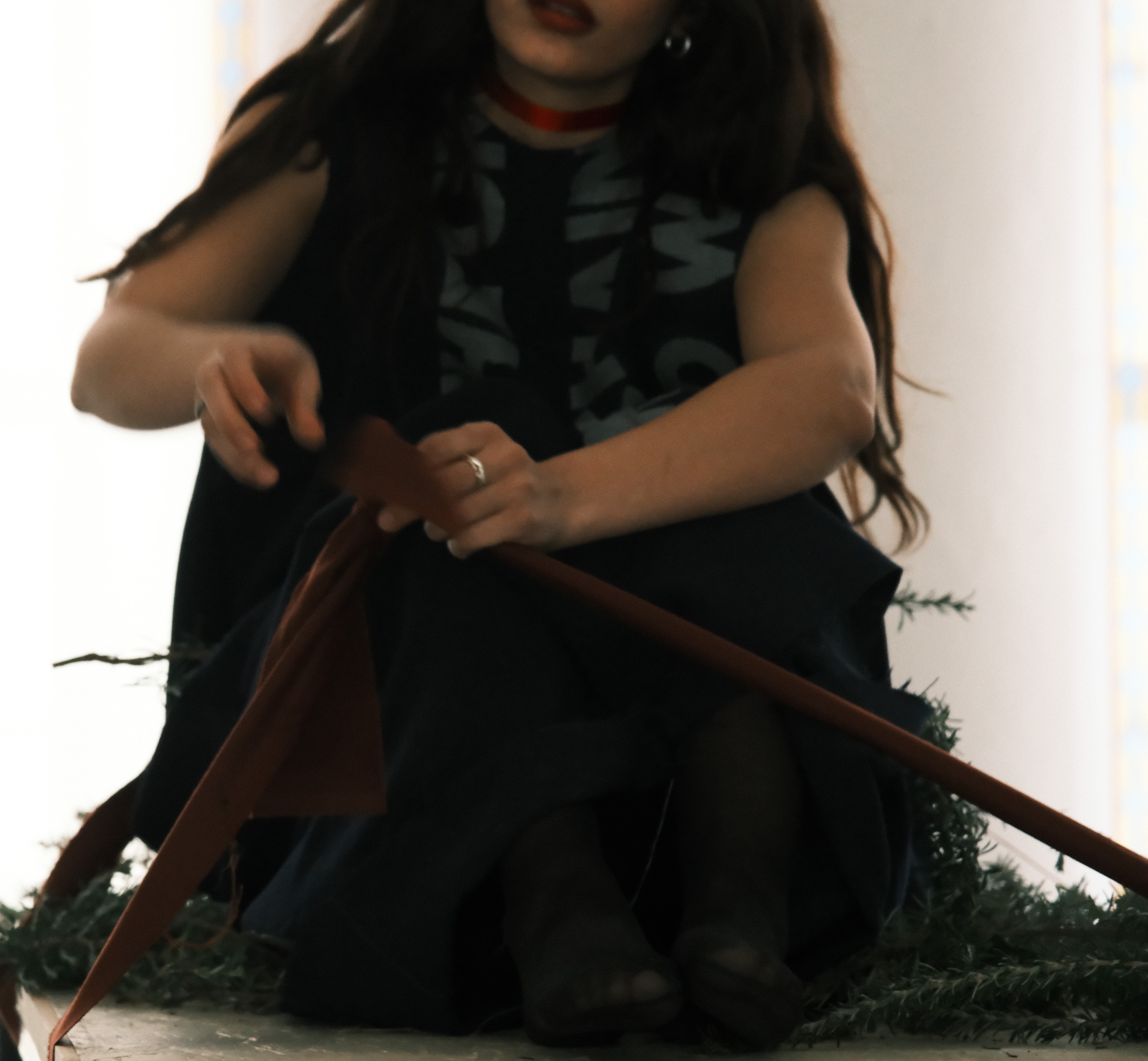
I enter ringing a bell—a call, a transition, a signal that something is about to unfold. This is not rehearsed. It is an experience, a confrontation with grief that does not end.
The soil is lowered slowly. I watch it fall, feel its weight before it even touches the ground. Soil is memory, soil is home, soil is what is carried and what is lost. I sit on the fabric that once held it together and speak. The words come like echoes, fragments of something unfinished.
Leena’s voice fills the space, reading her poem. Her words hold what mine cannot. The scent of rosemary rises, sharp and familiar, a reminder of places I cannot return to. I lie down. A red thread is wrapped around me—deliberate, careful. It binds and connects, holds and restricts. There is no clear separation between comfort and constraint.
Eventually, the thread loosens. I untie myself, hands moving through the weight of absence. Rosemary is given away, carried off like a memory pressed into skin. Grief does not end. It lingers, shifts, takes new shapes. It is not meant to be resolved—only lived with.




Poetry: Leena Aboutaleb (Inheritance, Of a Coming World, Self-Portraits of the girl you love)
Documentation: Cecilia Labaadi
Not Ophelia.
I do not sink. I do not surrender.
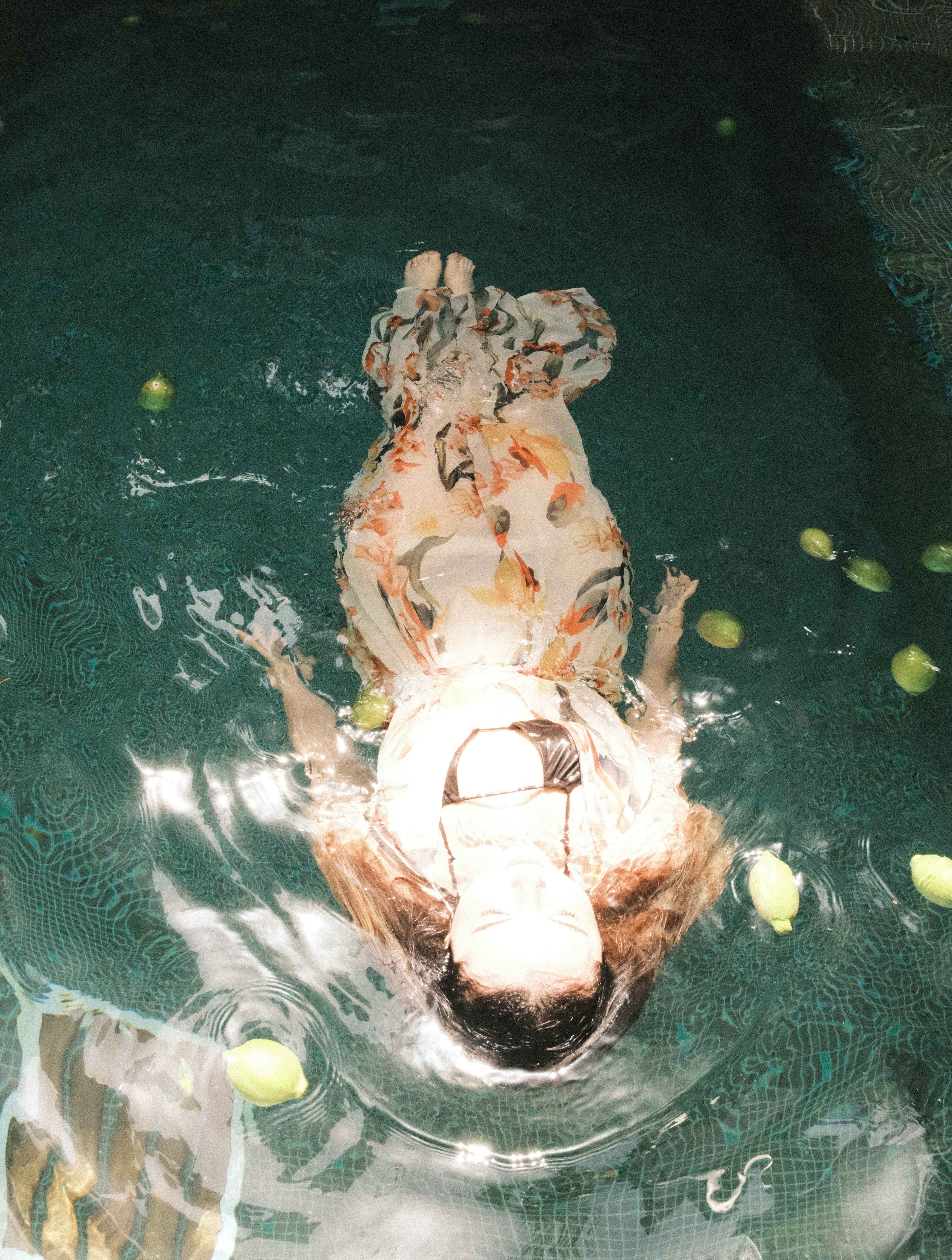
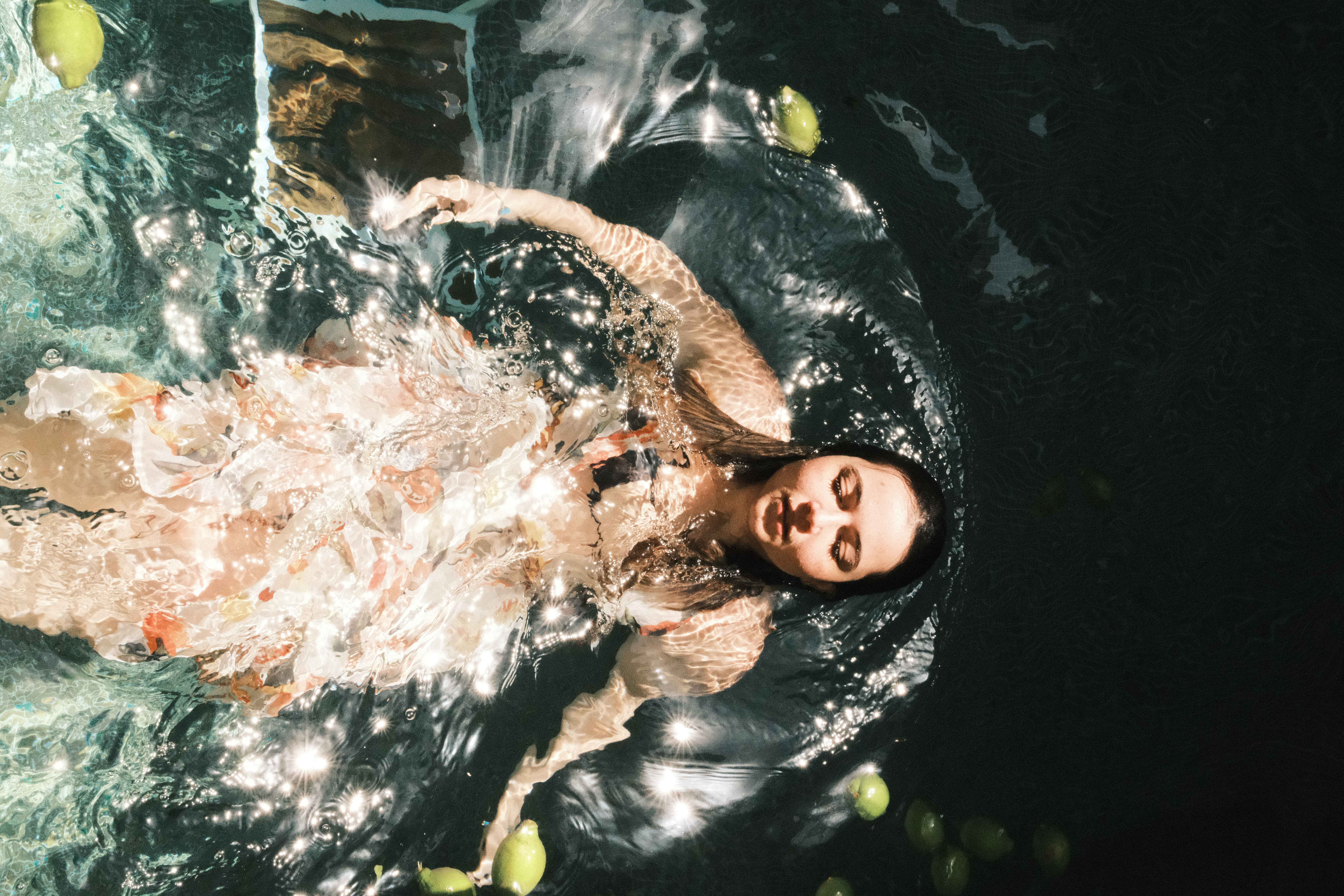
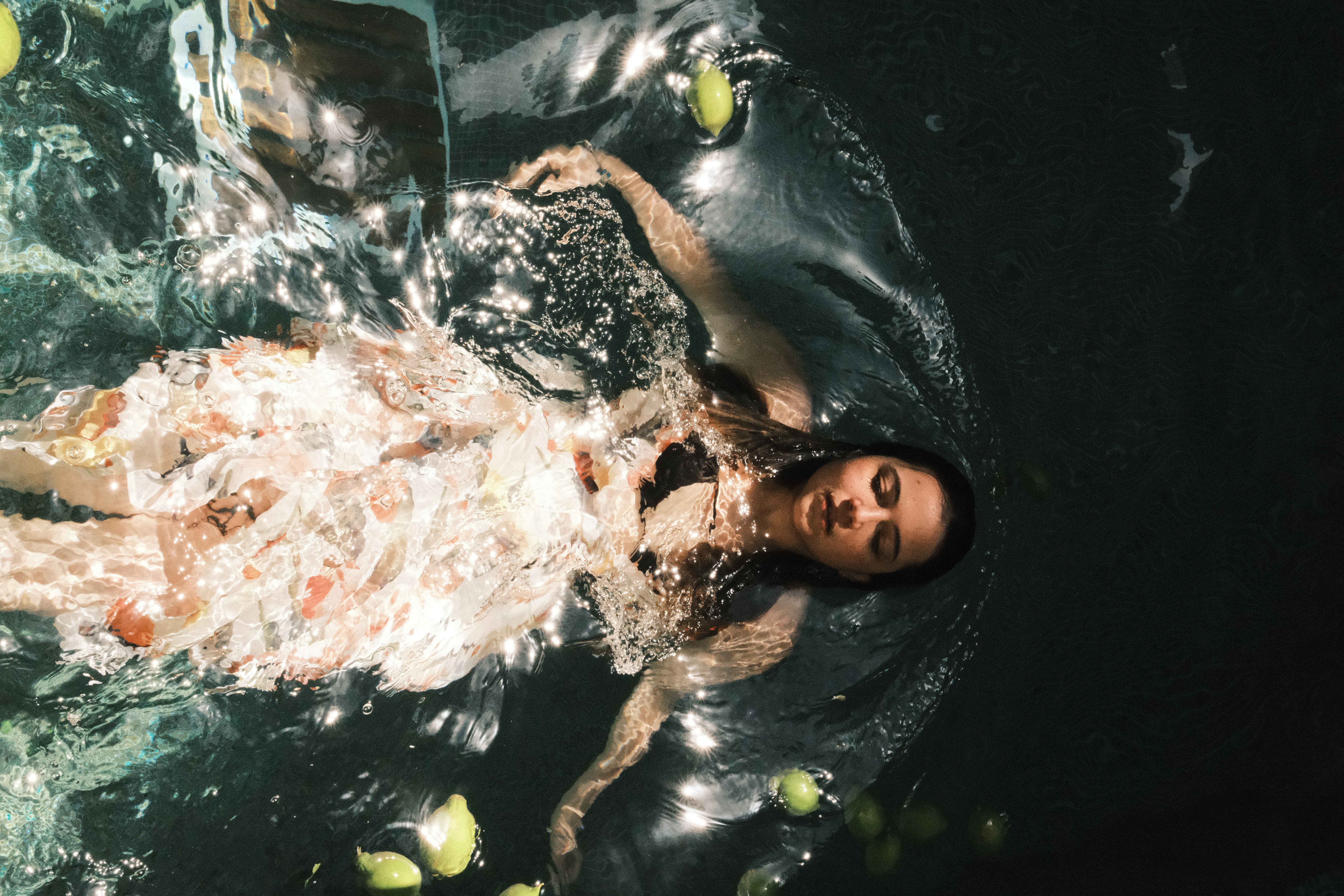
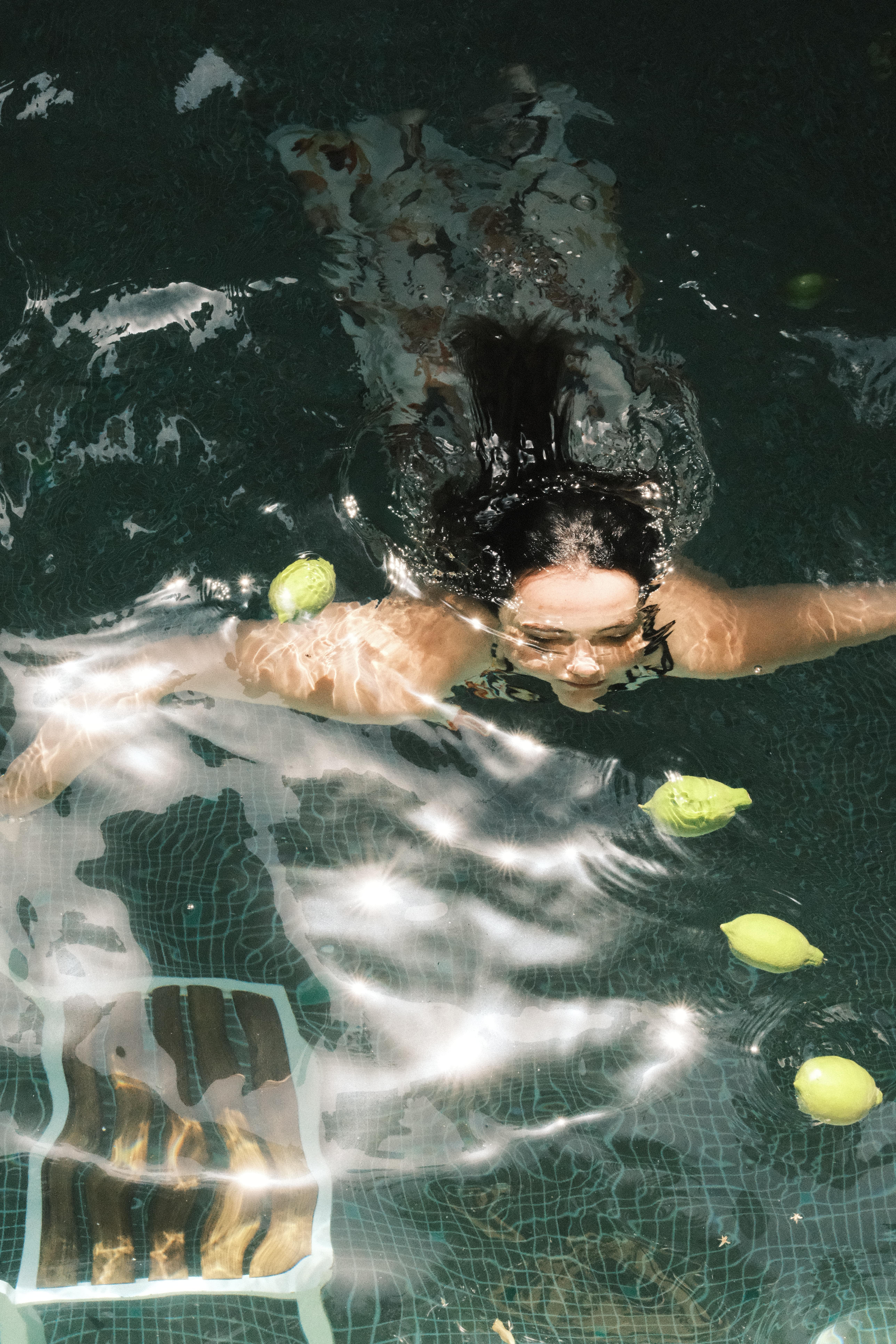
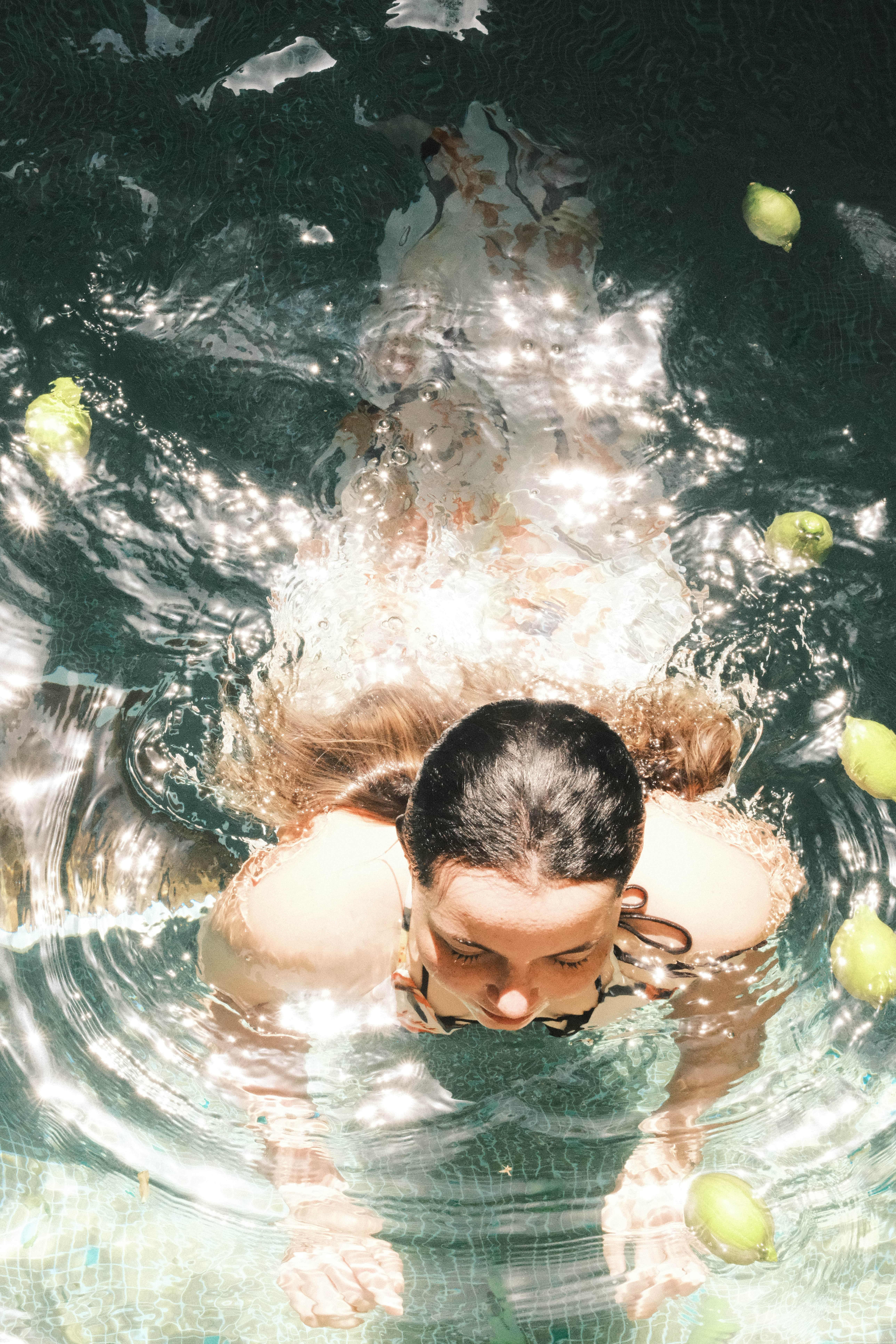
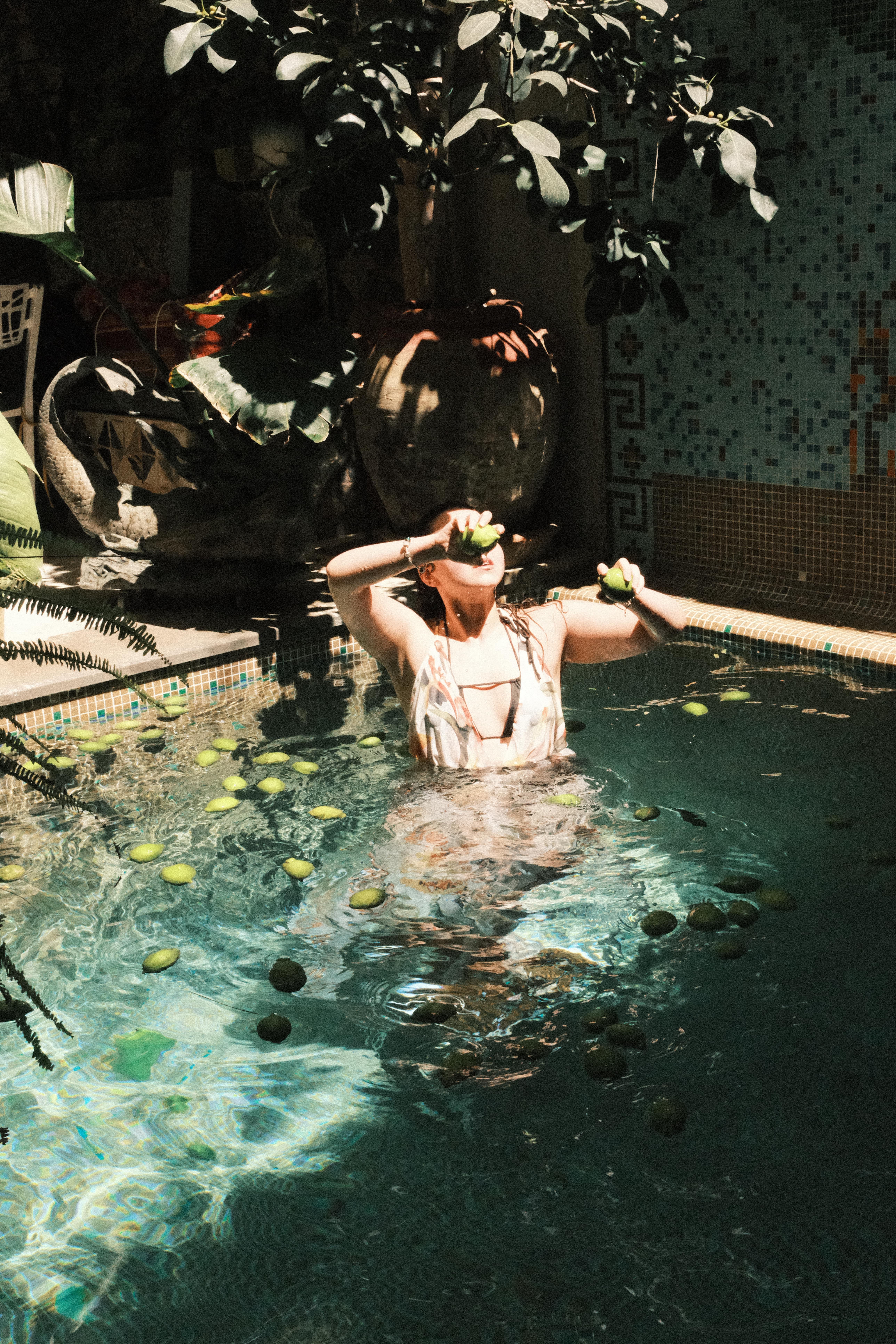
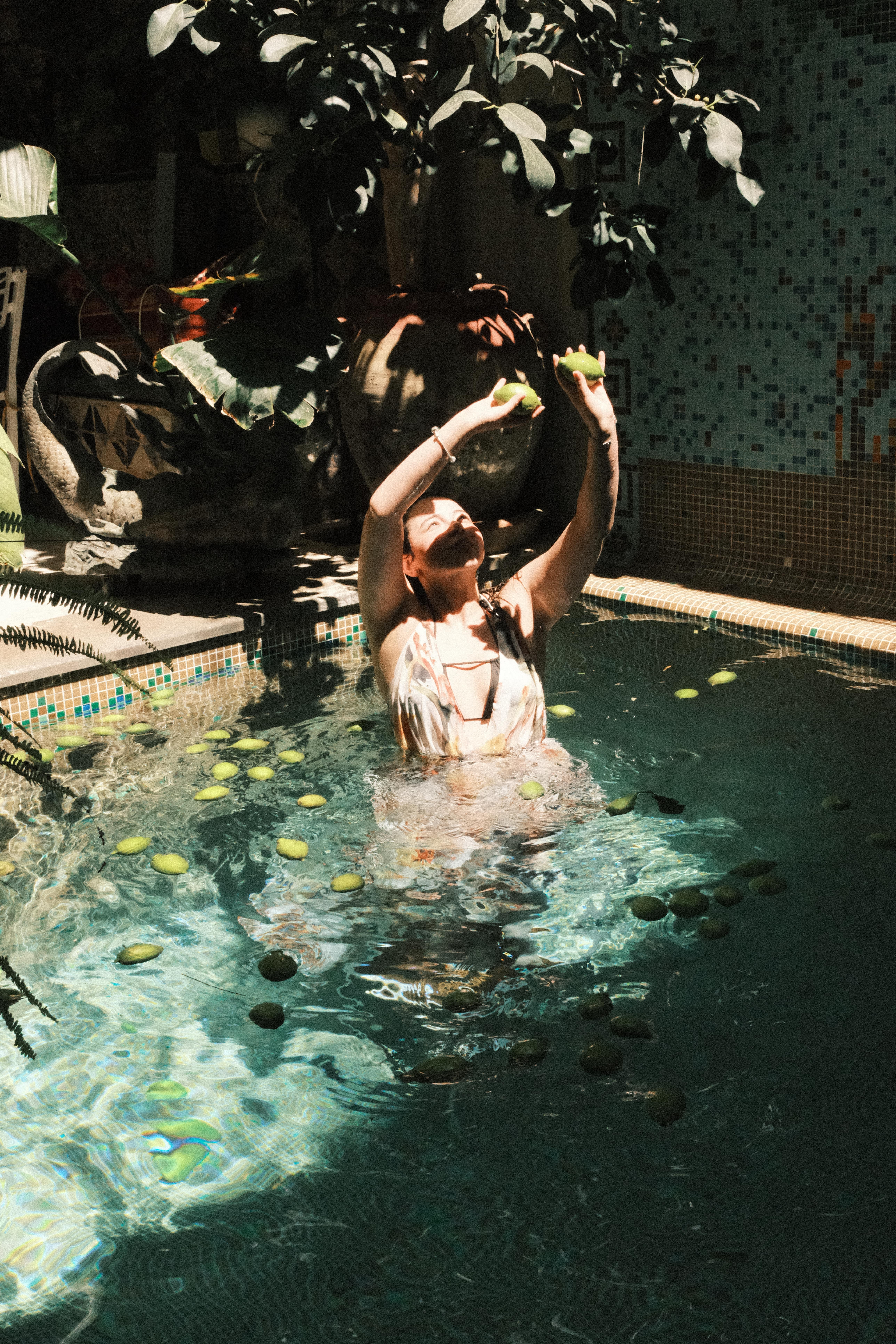
Not Ophelia is a photography series by Dalia Jacobs that reimagines the relationship between water, mental health, and displacement. It challenges the historical depiction of women in water as symbols of fragility, reclaiming the space as one of quiet defiance and endurance.
Suspended between control and surrender, the subjects exist in a liminal space—neither drowning nor fully free. The interplay of floating objects, refracted light, and fluid motion mirrors the silent weight of grief, resilience, and survival. Each image carries an unspoken tension, an echo of displacement, where the body negotiates its place between past and present, struggle and surrender.
This is not a tragedy. This is not Ophelia.
"We know what we are, but know not what we may be." — Hamlet, Act IV, Scene V
This reflection on uncertainty and transformation speaks to the core of Not Ophelia—a visual narrative of resistance, identity, and the unseen battles carried beneath the surface.
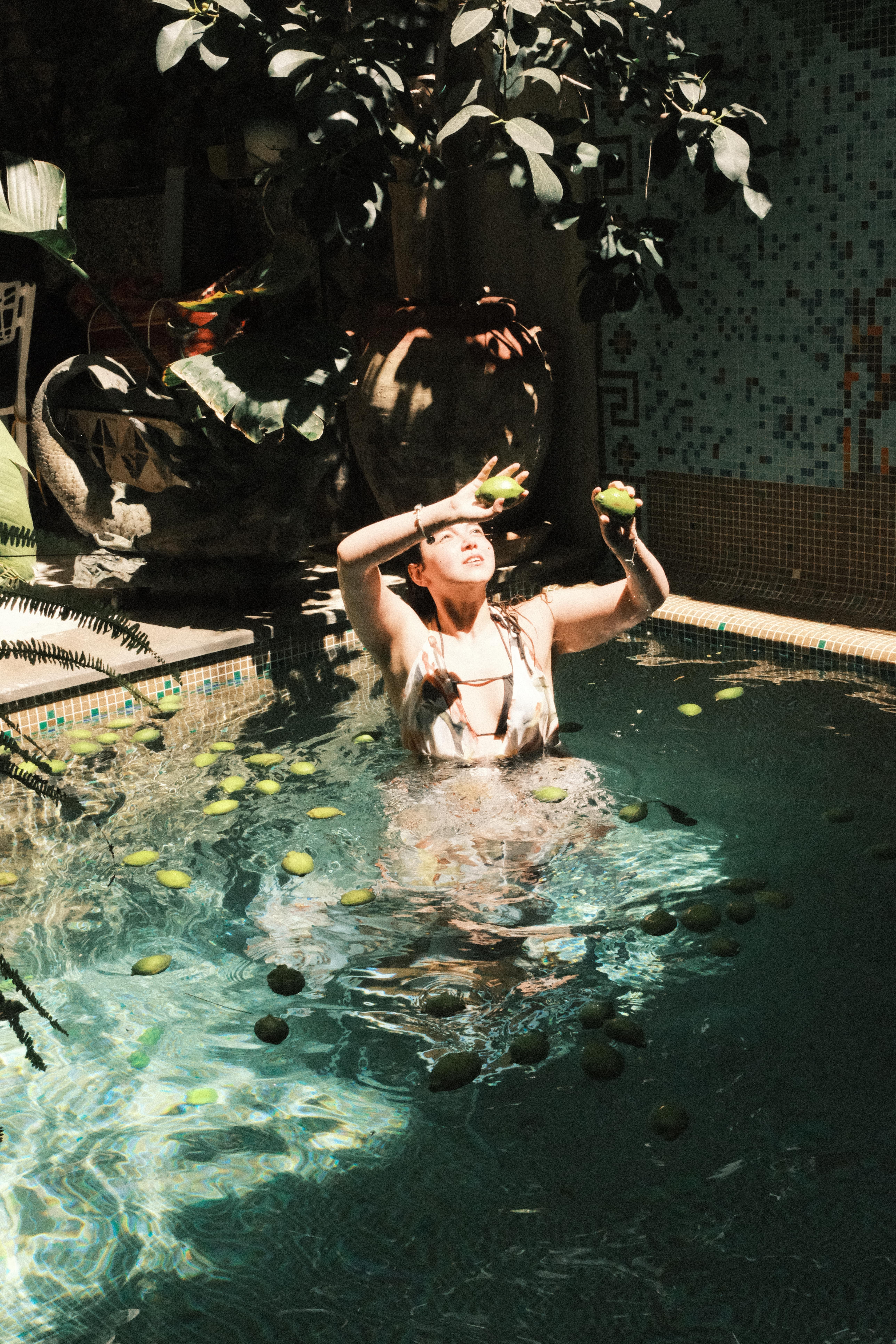
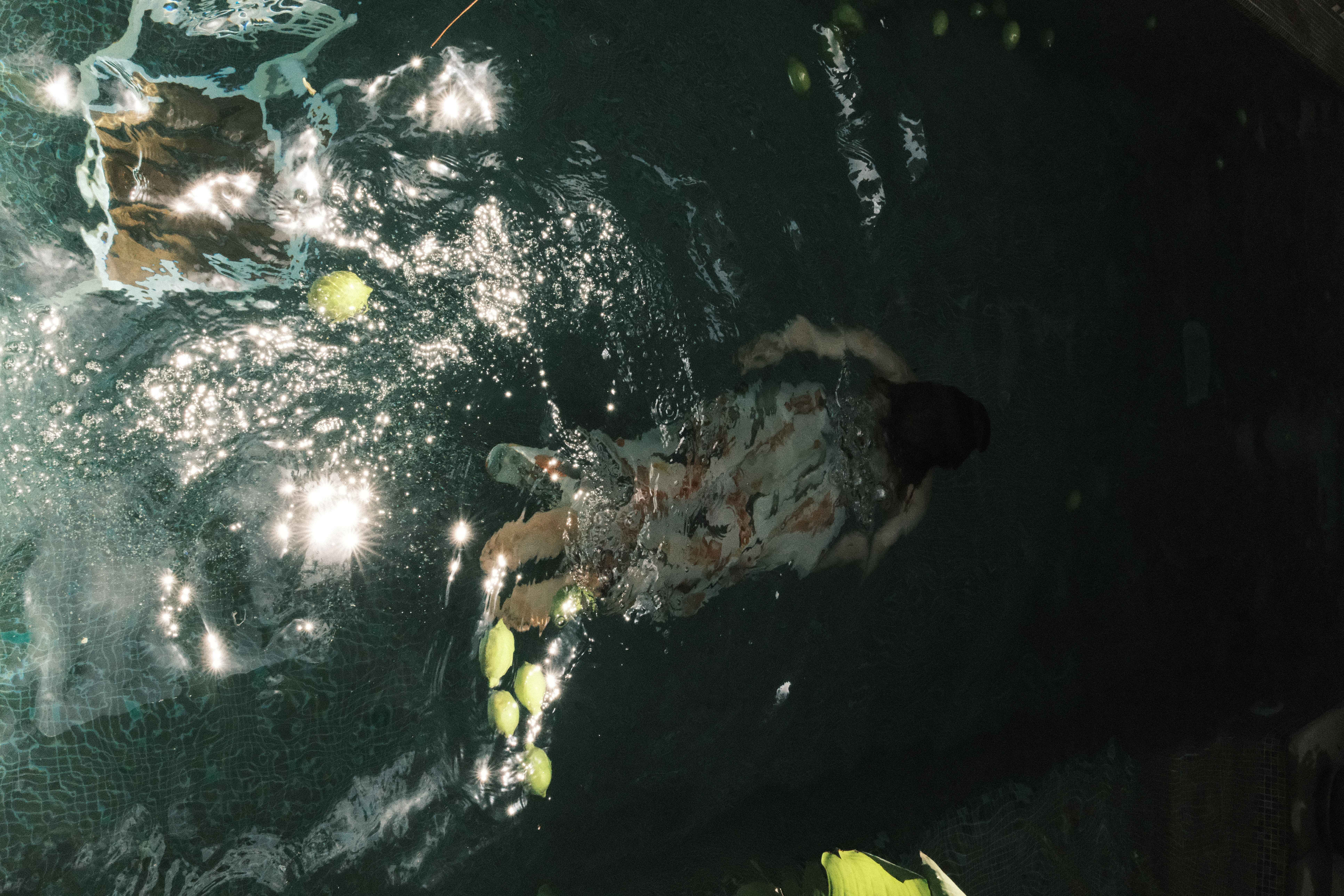
Special thanks to Joud Othman, the inspiring subject of these images, and to Dar Souad, the evocative location that frames this journey.